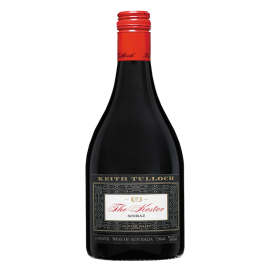
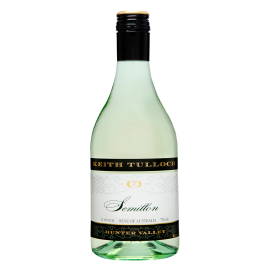
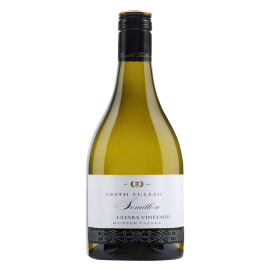
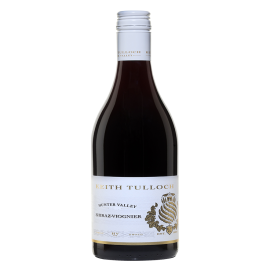
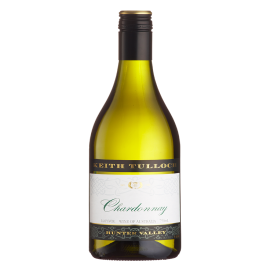
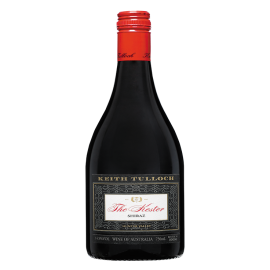
Keith Tulloch have attained the CLIMATE ACTIVE certification by the Australian Government. This means that the winery, vineyard and offices are certified carbon neutral as well as its wines (including glassware, boxes, shipping, bottling). This carbon neutral certification is one of the most rigorous in the world. Every emission created by the vineyard and the winemaking process has been reduced where possible; and where emissions are unavoidable the pollutants have been offset through carbon abatement so that the business and its products have zero net greenhouse gas emissions. Keith Tulloch is also a member of Sustainable Winegrowing Australia (previously known as Entwine) which requires wineries to report and reduce waste whilst promoting sustainable practices. A 65kw solar array has been installed, providing the vast majority of the estate’s power needs.
Keith Tulloch winery and vineyards are also officially sustainable under the Sustainable Winegrowing Australia certification which was developed by the Australian Wine Research Institute (AWRI).
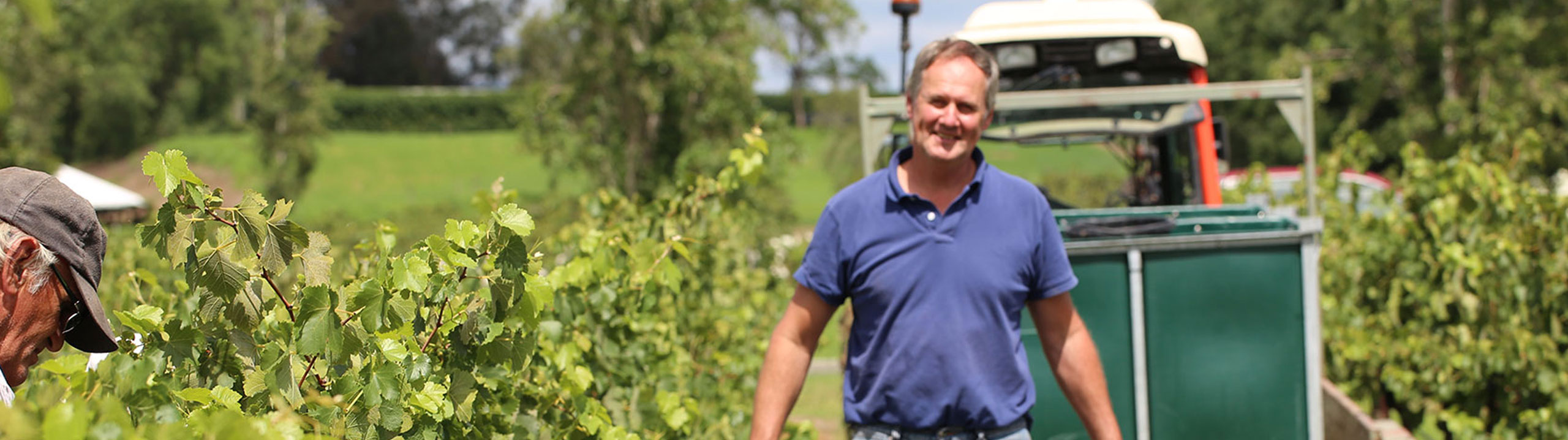
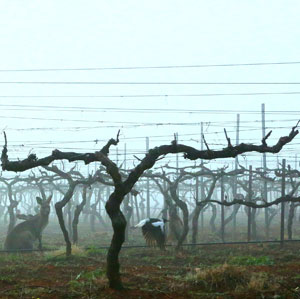
In the vineyard Keith Tulloch engages in regenerative agriculture, minimising the use of chemical sprays and actively promoting soil health, life and biodiversity. It has started a program of revitalising native vegetation around the vineyard, which creates habitat for native insects, birds and animals which benefit the vineyard ecosystem. The business has eliminated single-use plastics and has instead moved onto biodegradable alternatives to prevent plastic waste. All Keith Tulloch wines have moved from heavy glass to lightweight eco glass, which considerably reduces greenhouse gas emissions from glass production and transport. The winery has enacted an array of water efficiency measures to eliminate water waste and to recycle waste water for use in the parks and gardens. The vineyard is now composted and fertilised only by organic fertiliser, re-using a product that would otherwise go to waste and reducing soil degradation and emissions from synthetic fertilisers.
The estate continues to uphold organic viticulture principles in the vineyard, and this is improving year-on-year. Investments in agricultural equipment in the next financial year will further reduce the use of some chemical sprays, however there is no plan at this point to certify these practices.