
Having inherited Austria as part of my portfolio several years ago, I had been meaning to visit the Moser family for some time, but somehow ‘real life’ (and a global pandemic) always seemed to get in the way – nevertheless I finally got around to booking some flights a few weeks ago and managed to spend a day at the winery in Rohrendorf, an outpost of the small university city of Krems.
When one pictures Austrian winemakers, one tends to think of earnest young vignerons (often with beards and hats made from up-cycled grain sacks) expounding the benefits of organic and biodynamic winemaking practices, and it is true that Austria has been very progressive in terms of wineries adopting one or both of these philosophies, with 22% of the country’s vineyard area already certified organic and more still in conversion. I think it would not be exaggerating in any way to call Niki Moser one of the pioneers of that movement – he didn’t invent any of it, but he took a decision early on in his life that this was the way he wanted to work, and he has not been swayed from that view by any of the winemaking teachers, contemporaries, neighbours, accountants or even parents who have poured scorn on this single minded ambition.
Of course, there were times when disaster struck in the form of disease or weather – harvests near ruined, or quality poor – and inevitably people laughed, while father Sepp rolled his eyes and berated his wayward son.
Nevertheless, the steadfast view remained that there was nothing to be gained in the long term by treating symptoms alone, and that the ultimate aim should actually be to create harmony in the vineyards and allow nature to solve its own problems – in other words, create the right environment and the vines become healthier and stronger and better able to look after themselves. Adhering to convention was never high on Niki’s agenda – one might wonder why so many of his vines are single guyot trained when his own grandfather’s name is synonymous with the Lenz Moser training method? Well that method was very useful if you want low maintenance and high yield, but close involvement in the vineyard and quality fruit were always Niki’s objective. All the critics were defied or ignored, and what’s more, the same institutions that called it madness are now extoling the virtues of this approach – and slowly the rebel becomes part of the establishment!
“Adhering to convention was never high on Niki’s agenda…”
With so many people now making organic wines in Austria, it would be easy to assume that the country must be a haven for winemakers – that it must be a simple choice to adopt these practices – but in fact, it really isn’t. Unlike places such as the northern Rhône, where hot sun and strong winds do a lot of the donkey work in terms of keeping vineyards free of disease and pests, the Austrian wine regions, with their big expanses of water, are relatively humid. As a result mildew is a constant threat during Spring, and rot later into harvest. Hail and storms can (and do) happen at any time, and can devastate a crop in just a few seconds. Nevertheless, the movement shows little sign of slowing down, and that is in no small part down to people like Niki Moser showing that it can be done and being prepared also to share his knowledge, and act as a mentor to a whole generation of socially and environmentally conscious young winemakers, with a desire to take on the mantle, and leave their vineyards in better condition than they found them.
Headquarters for the Moser family is the Atrium House on the edge of the village, at the bottom of a narrow road called Lindobelgasse, which extends 1650m up into the Saubühel hill – this road is home to 72 press houses with cellars, making it the longest lane of wine cellars in Austria. As you drive up the hill you pass the trio of named vineyards that provide the bulk of the white grapes used by the Mosers – first Schnabel, then Gebling, and then Breiter Rain. Soil is overwhelmingly Loess, made up of rocks that have been ground to a fine powder by ancient glaciers – in some cases up to 30m deep and providing exceptional drainage which forces the vine roots to grow ever downwards in search of water. The Gebling vineyard area is particularly large, and the family have recently invested in another large section of it that is currently planted with some long neglected vines – Riesling and a rare Austrian variety called Neuburger which makes up just 0.6% of Austrian vineyard area. Niki hopes to restore the vineyard and gradually replant with an assortment of native varieties to make a Gemischter Satz (field blend). Red varieties (as well as Chardonnay for the Brut Nature Blanc de Blancs) come from Apetlon in Burgenland – an hour and a half drive to the south, close to the Hungarian border. These gravelly vineyards were purchased by Sepp Moser at a time when travelling to them took considerably longer – it is therefore necessary for the vineyards to be managed on a day to day basis by people in the region. Niki visits on a weekly basis, but they have a team of trusted people in the area who understand and are committed to the principles and demands of working the way Niki wants to work.
“…the Mosers are going places… a shining example for us all.”
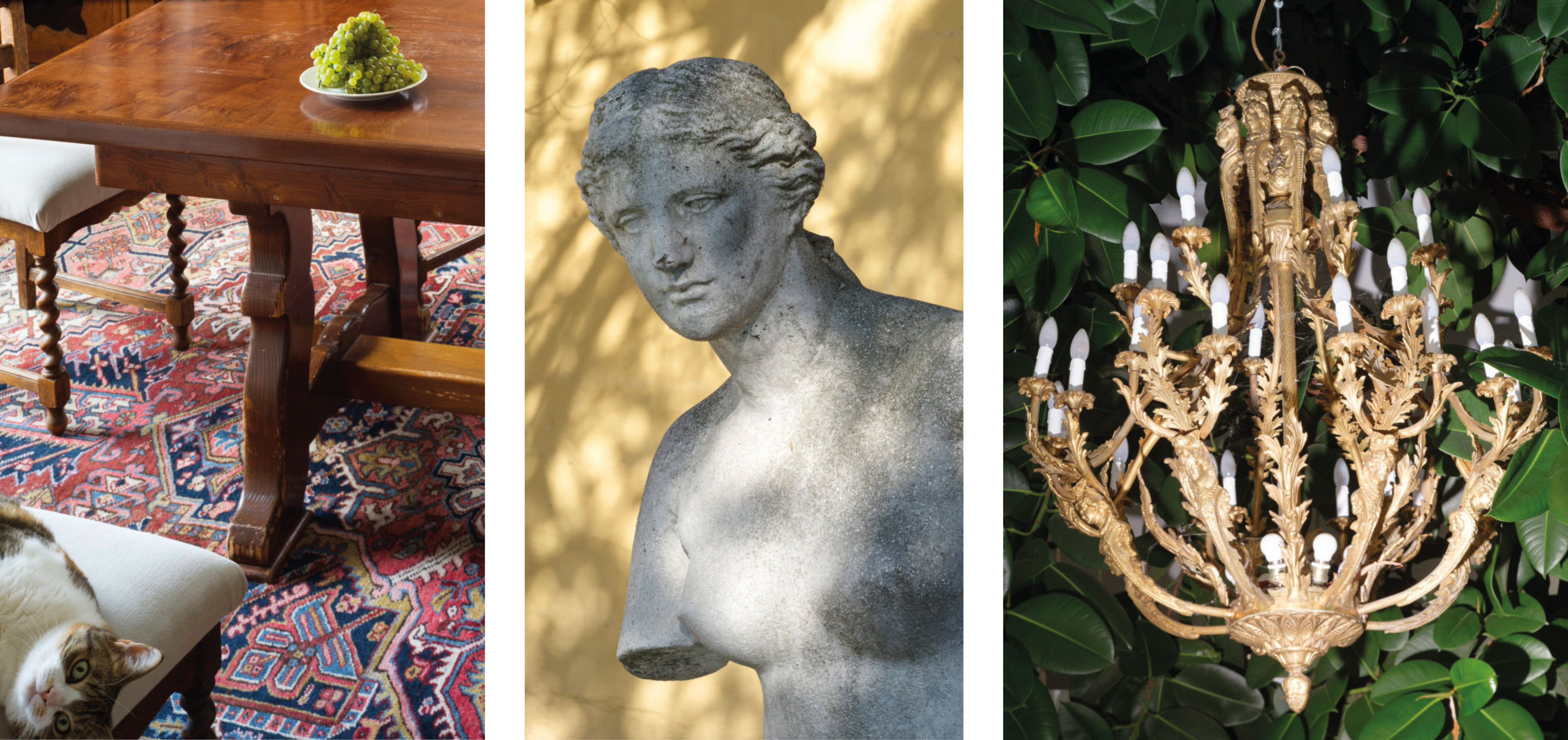
The Atrium House was built by Lenz Moser in 1964 and utilised architectural features that had been salvaged from neoclassical Viennese buildings that had been destroyed by Allied bombing raids – the entrance lobby for example features a fine cast iron double staircase that was rescued from the Nordbahnhof railway station in Vienna that was severely damaged in the war, and finally demolished a year later in 1965. The steps leading up to the winery conversely are from the Suedbahnhof, while the pillars adorning the main room were originally part of the Salztorbruecke bridge. All of these extravagant architectural flourishes might paint a picture of its owners as being flashy and grand perhaps, but this really couldn’t be further from the truth – the family are friendly, humble, welcoming and down to earth, and not in the least bit showy! As well as vines, the Mosers also maintain an apricot orchard on the other side of the Danube, which they use to produce a delicious apricot brandy. Then there is also a small flock of sheep that live the life of riley until they become dinner – there were 17 heads until shortly before we arrived, but one of them became a very delicious lunch that was lovingly prepared by Niki’s wife Andrea.
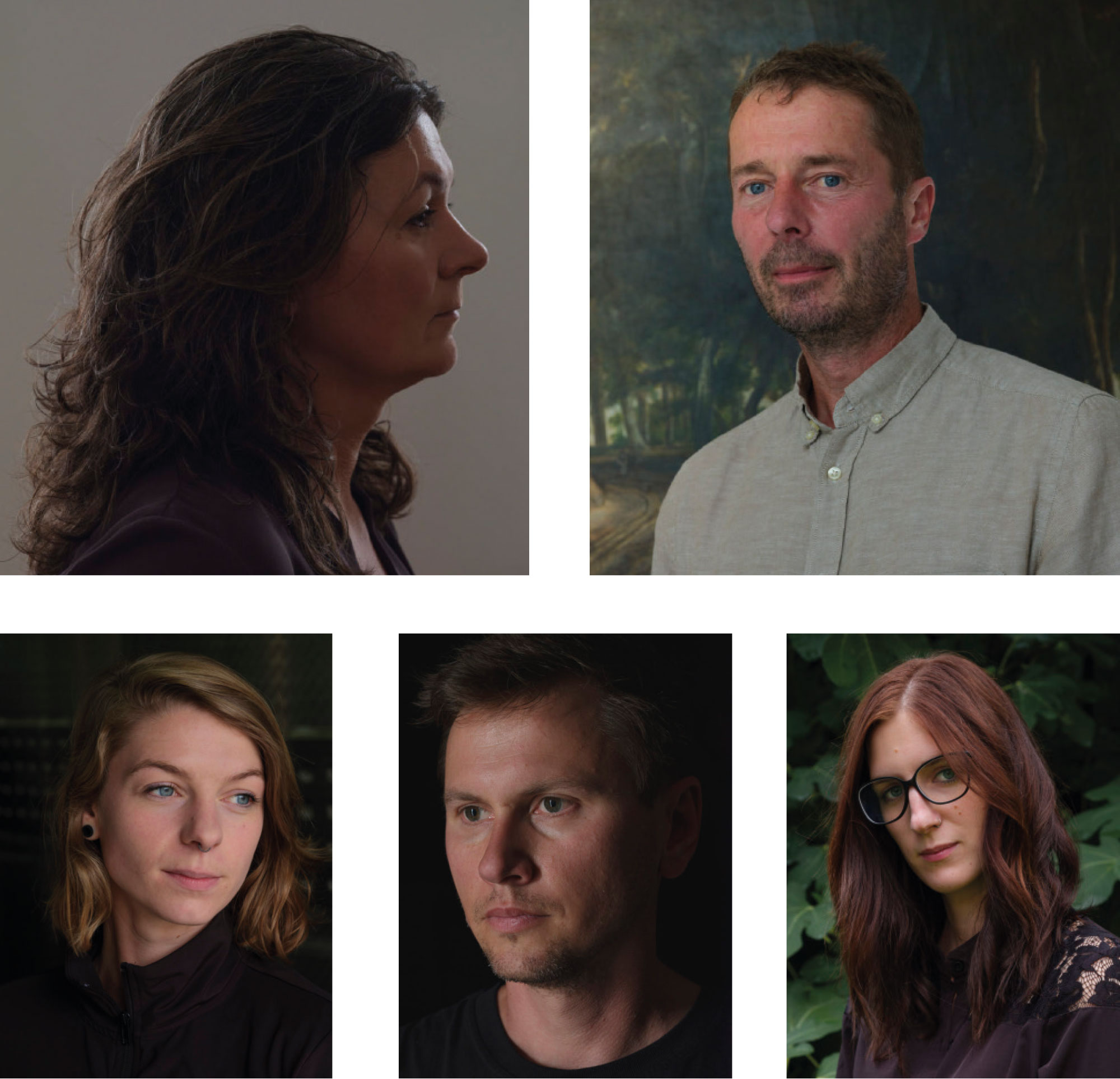
Moser’s wines have gone from strength to strength in the 15 or so years since we started working with them, as the vines become stronger and healthier, while Niki, along with daughter Kathi and her husband Jan (AKA Honza) now form a harmonious winemaking triumvirate. The Grüner Veltliners and Riesling have never been better, while the Zweigelts from Apetlon are bright and juicy. The Reserve wine is moving away from the more prominent oak of yesteryear towards a richer and more expressive version of the Classic style wine – tasting the 2022 reserve reds from barrel before any sulphites had been added was a revelation. The fizz meanwhile, despite being somewhat niche, has proven very popular with customers (and colleagues!) since we launched it this year, and we’ve followed that up with some delicious organic and biodynamic Pet Nats. The wines have tremendous ageing ability too – a 2007 Pinot Noir we drank with poor lamby-kins was spectacular, plus I’ve only just finished my stock of 2007 Riesling, which we brought in as a parcel some years ago. Hopefully there will be further opportunities for more such parcels soon.
All in all I was a left with a very positive feeling for the work they are doing – the Mosers are going places, and the recent rebrand of their company name, packaging and website better reflects their status as the vanguard of a new and more sustainable way of doing business, a shining example for us all.
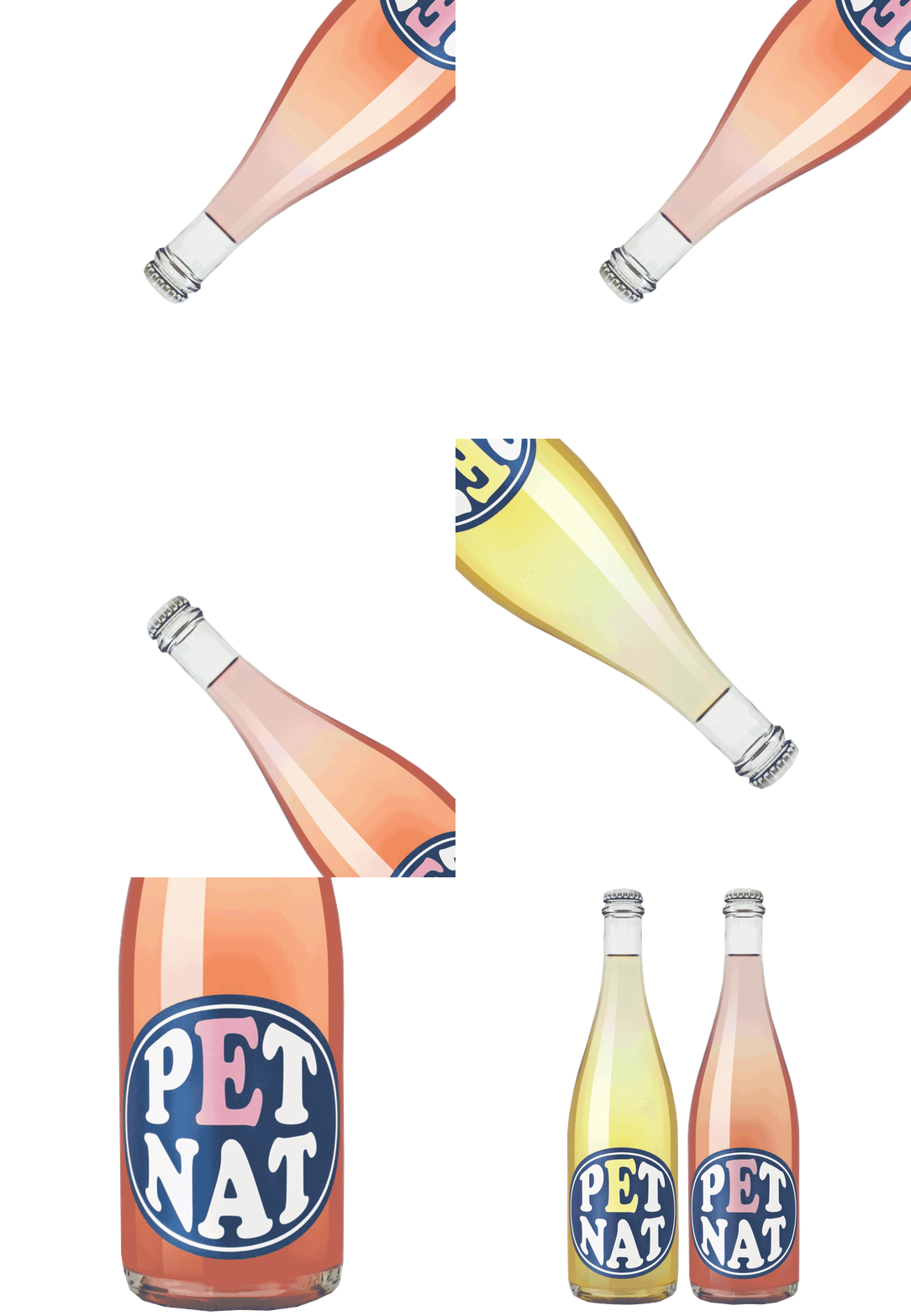
Brilliant straw yellow with slight haze. Scent of acacia blossoms, meadow flowers and fresh hay. On the palate, juicy pears, roasted pineapple and a hint of dried meadow herbs. With its velvety mousse and bright acidity this is really very drinkable.
Salmon coloured rosé with a subtle haze. Delicate aromas of dried blossoms and fresh plums. On the palate rosehips, sour cherries and dried apples with a beautifully embedded acidity. The elegant mousse accentuates its complexity and expression.
A natural wine in every sense of the word. Slightly wild but with enough balance and restraint to retain classic Grüner characters. Complex aromas of baked fruits and white spice with savoury characters. Stone fruit flavours, with hints of pepper and flint in the mouth. Really bright citrus acidity gives depth and length to the textured, mineral palate.
A delicious example of this classic Austrian varietal elegant - juicy, ripe and generous. Ripe red cherry, herbal and cedar wood aromas. The palate has good weight with juicy plum and raspberry fruit, tobacco leaf characters, supple tannins and bright cranberry acidity on the finish.
Top quality, biodynamic, Gruner Veltliner from the Terrassen single vineyard - seriously concentrated! Citrus and herbal aromas - with typical spicy Veltliner notes and hints of green pepper and cucumber. The palate has mineral and flinty characters, oriental spice, and fresh citrus acidity on the finish.